Reflections from our Fractional CFO Revolution webinar
As businesses face continued uncertainty, growth ambitions, succession challenges and cost pressures, the role of the CFO is being redefined. The webinar gave us the opportunity to step back, look at the data, and, most importantly, learn from those who are actively shaping and living this change.
Reflections from our Fractional CFO Revolution webinar
As businesses face continued uncertainty, growth ambitions, succession challenges and cost pressures, the role of the CFO is being redefined. The webinar gave us the opportunity to step back, look at the data, and, most importantly, learn from those who are actively shaping and living this change.
On Tuesday 25th November, we were delighted to bring together finance leaders, advisers and business owners from across the East Midlands and Yorkshire for The Fractional CFO Revolution webinar. What followed was a thoughtful, practical and honest discussion about how the finance leadership landscape is evolving, and why the fractional model is no longer a niche solution, but an increasingly strategic one.
The Data Behind the Revolution
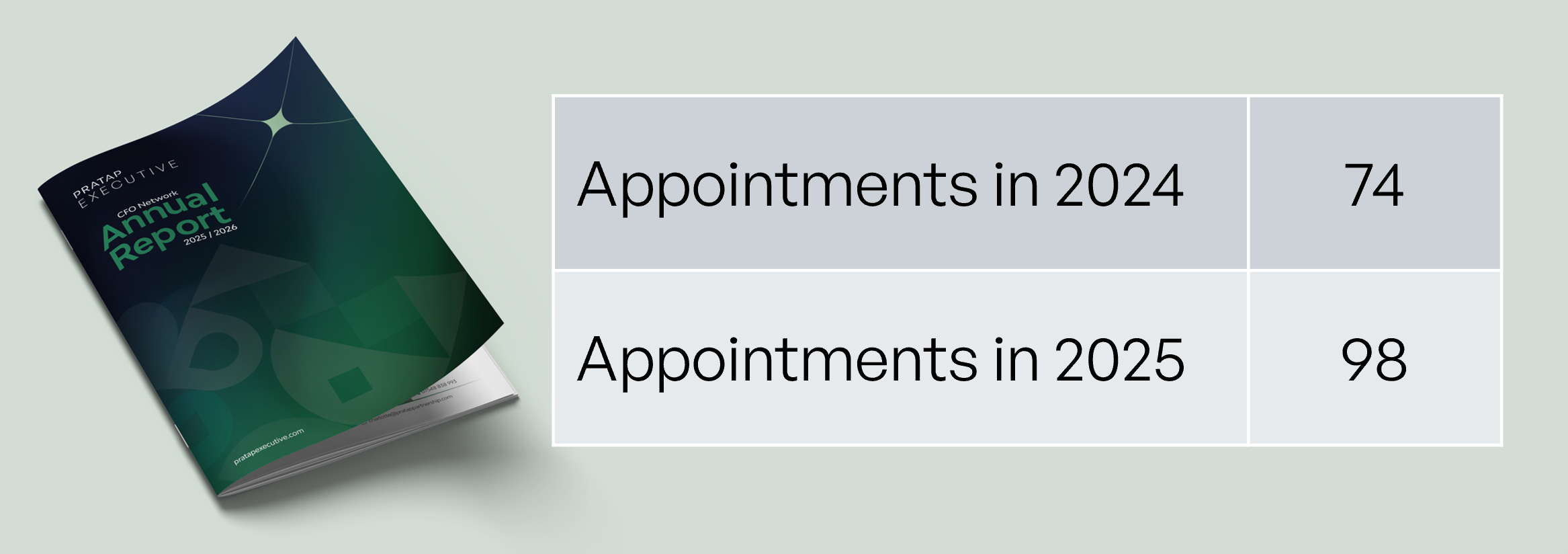
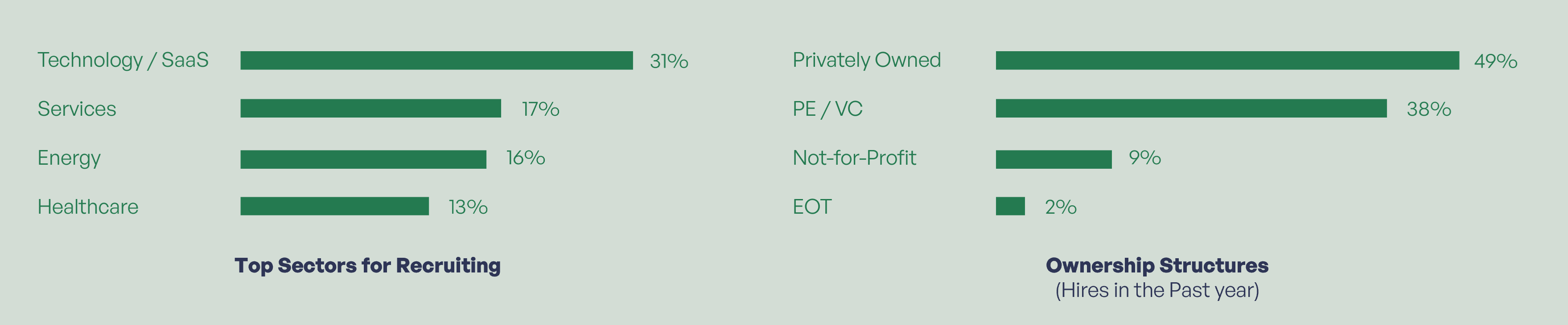
We opened the session by grounding the discussion in data. Across our work in executive and search-led finance recruitment, it is clear that demand for fractional CFOs is rising sharply.
Key takeaways included:
- An increase in key appointments, particularly among SMEs and mid-market businesses that need senior financial leadership without the commitment or cost of a full-time hire.
- A growing and more diverse candidate pool, with experienced CFOs actively choosing portfolio careers later in their profession – not as a stopgap, but as a deliberate and fulfilling career move.
- Evolving pay rates and structures, reflecting flexibility on both sides. Day rates, retainers and project-based models are allowing businesses to access high-calibre expertise in a way that aligns with their stage and strategy.
The data reinforced what many attendees were already experiencing first-hand: fractional CFOs are no longer just about filling gaps, they are about adding disproportionate value at the right moment.
Inside the Revolution: Insights from the Panel
The heart of the webinar was the panel discussion, which offered a refreshingly open view of fractional life from multiple perspectives.
Building and Sustaining a Fractional Portfolio
One clear theme was intentionality. Successful fractional CFOs are not simply accumulating roles; they are curating portfolios. This means being selective about the businesses they work with, ensuring cultural fit, clarity of expectations and the ability to genuinely influence outcomes. Relationships, reputation and results matter far more than volume.
Effective Partnerships: CFOs and Advisers
Another strong insight was the importance of collaboration. Fractional CFOs often work alongside accountants, corporate finance advisers, investors and leadership teams. When these relationships are aligned and built on trust, businesses benefit from joined-up thinking rather than siloed advice. The fractional model thrives when it is viewed as part of a wider ecosystem, not a standalone fix.
When Does a Business Need a Fractional CFO?
Perhaps most powerfully, the panel challenged the idea that fractional CFOs are only for businesses in distress. Instead, they highlighted moments of transition: growth spurts, investment readiness, international expansion, systems change, or preparation for exit. In many cases, bringing in fractional expertise earlier can prevent issues rather than simply respond to them.
Thank You to Our Panel

We would like to extend our sincere thanks to our panellists for sharing their experience so openly:
- Rachel Smith, Founder and Fractional Finance Director at Grow, for her passion around making finance accessible and empowering business owners to truly understand their numbers.
- Tim Gray, for bringing decades of international and manufacturing SME experience, and for highlighting the strategic impact fractional CFOs can have on operational excellence.
- Colin Rylett, for his candid reflections on long-term fractional relationships that evolve into leadership roles, and back again, as businesses change.
- Steve Packer, for his insights into board influence, capital raising and the role fractional CFOs play in shaping strategy, particularly in complex and high-growth sectors.
Their collective experience gave the discussion depth, credibility and a real sense of what “good” looks like in practice.
Final Reflections
What became clear over the course of the session is that the fractional CFO model is not a compromise, it is a strategic choice. For CFOs, it offers variety, autonomy and the opportunity to make a tangible impact. For businesses, it provides access to senior thinking exactly when it is needed.
The revolution is not about replacing traditional roles, but about expanding the ways in which financial leadership can be delivered. Judging by the engagement, questions and conversations that followed, this is a topic that will only continue to grow in relevance.
Thank you to everyone who joined us, contributed to the discussion and shared their perspectives. We look forward to continuing the conversation.
Please contact Jess Lister, Operations Manager, if you would like to receive a copy of the recording: jess@pratappartnership.com