From CFO to CEO - A Leadership Journey
Victoria Woodings shares her journey from CFO to CEO, reflecting on how financial insight, curiosity, and collaborative leadership have shaped her approach to guiding businesses through growth and change.
From CFO to CEO - A Leadership Journey
Victoria Woodings shares her journey from CFO to CEO, reflecting on how financial insight, curiosity, and collaborative leadership have shaped her approach to guiding businesses through growth and change.
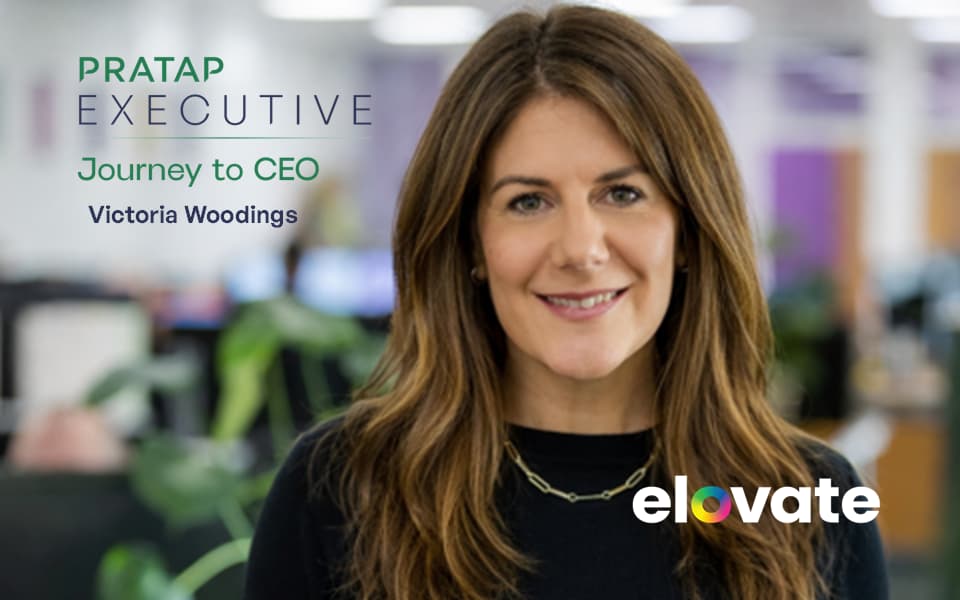
We recently spoke with Victoria Woodings, CEO of Elovate, about her journey from CFO to CEO and how her financial background continues to shape her leadership and approach to growth.
What aspects of your CFO background have been most valuable?
I did not follow a traditional route into finance. I started on a reception desk in an accountancy practice when I left school at 16. I remember booking in self-assessment records and typing up meeting notes, making teas and coffees for customers etc.. But from very early on, I felt a strong sense of ownership over the work I was producing and how the business was performing.
I have never considered finance as an observational output. It was never just about reporting what had happened. I always felt accountable for what the numbers meant and how that could inform what needed to happen next.
That mindset has been fundamental in my career path over the last 20 + years and ultimately in my move to CEO several years ago before joining Elovate in the CEO role in early 2025.
I genuinely believe that regardless of background, anyone stepping into a CEO role needs a strong financial understanding. Having an intuition and strong confident understanding in the numbers allows you to assess quickly whether decisions are moving the business in the right direction.
You cannot rely on retrospective reporting. You need to understand the day-to-day pulse of the business and pulling up the right metrics to help inform that is critical.
One of the biggest shifts for me has been balancing two horizons at the same time. As a CFO, you are often focused on short term cycles such as month end, reporting, and forecasts. Perhaps also, depending on the business, mid-term cycles that lean toward strategy such as funding or transaction horizons but as a CEO, you lead all day to day and mid-term cycles, but you also must constantly think about growth, business continuity and the longer-term direction. Where is the business going in two, three, or five years, and how do today’s decisions support that?
Holding all those perspectives together is key.
Is it a lonelier role at the top? How have you found the shift in leadership responsibility?
There is definitely a different level of accountability as CEO, and I value that exposure, although I have never approached leadership as an entirely isolated endeavor.
I have always worked in a very collaborative way. I ask a lot of questions, I am naturally curious, and I really value hearing different perspectives.
For me, it is about creating an environment where people feel comfortable contributing. Even if an individual view does not ultimately shape the decision, feeling heard and being part of the decision making and planning process makes a huge difference to how aligned people are and the level of ownership they take in delivering against objectives and plans.
Ultimately, the responsibility sits with me and I really thrive from that, but the strength of the decision and success in delivery comes from the collective input.
That approach, to some degree, helps the role feeling as lonely as it has the potential to and creates a much stronger leadership dynamic.
How has my leadership style evolved moving into a CEO role?
I would not say my leadership style has fundamentally changed, but it has definitely been amplified and, I consider it to be empowered through that accountability.
I have always been passionate about culture, developing people, and building strong teams. The CEO role has given me more opportunity to lean into that.
Communication is critical. So is bringing people with you on the journey, especially when a business is going through change.
People want to feel part of something they believe in and that they trust. If you do not have that, it is very difficult for a business to truly thrive and it is a challenge getting the level of communication right for a business going through change.
Building a leadership team What are your key priorities?
When I was in a CFO role, I was very focused on building technical capability in my team.
As a CEO, that shifts. Of course, technical capability still matters, but the relationships between people, how they work together, and how they represent the business becomes more front of mind.
Personality and approach are critical as are the dynamics of the leadership team in working together.
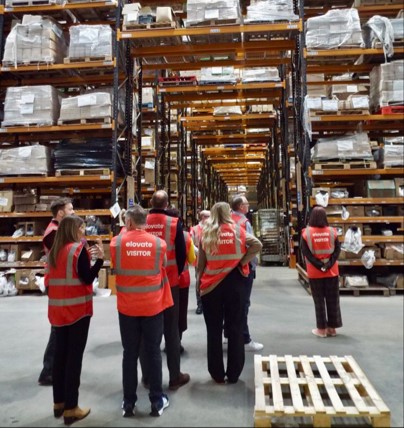
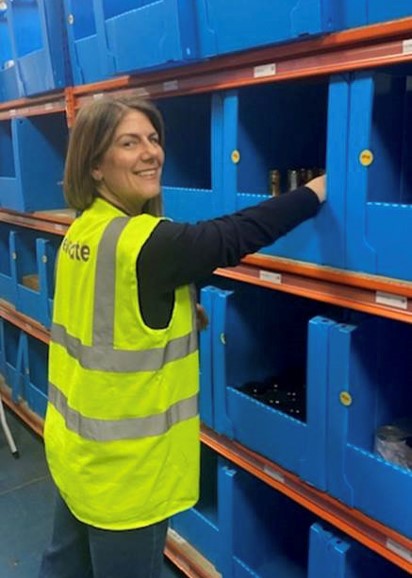
I strongly believe in being hands on. There are no ivory towers. It is important to stay close to the detail of the business and to our customers and I make that very clear to anyone that I work with, across all levels of the business but especially to any leadership team members.
Understanding how customers experience the business, what is working, and what is not, is essential in shaping the direction we take so I remain passionate about that direct customer engagement.
When I build a leadership team, I look for people who are curious, collaborative, and genuinely invested in the business and who want to learn and improve. If the individuals that make up the leadership team have that mindset, the business has that culture.
Your first year as CEO at Elovate, what were your priorities and what does success look like now?
Before I joined, I spent a considerable amount of time understanding the business. I wanted to know the numbers and history around some of the historical decisions inside out so that I could make an impact from day one. One of the decisions I made early on was to pause the recruitment of a senior finance leader. Instead, I operated as both CEO and CFO for a period of time, working closely with our excellent Financial Controller and digging in to the detail of the business.
It was incredibly demanding, but it gave me a much deeper understanding of the business and allowed me to build strong relationships with key stakeholders.
It also meant that when I did shape the Finance Director role, I knew exactly what we needed, both from a capability and personality perspective and how that role would suit in with the talent we already had in the business.
I made some important changes within the leadership team to ensure alignment with the direction I wanted to take and set out a plan that comprised of short term sprints and longer term change.
One of the things I have really valued in this role, particularly in a private equity environment, is the clarity around what success looks like. The goalposts are clear and consistent, which makes it much easier to align the team and measure progress.
Biggest challenges and personal satisfaction
For me, the biggest satisfaction has been developing people.
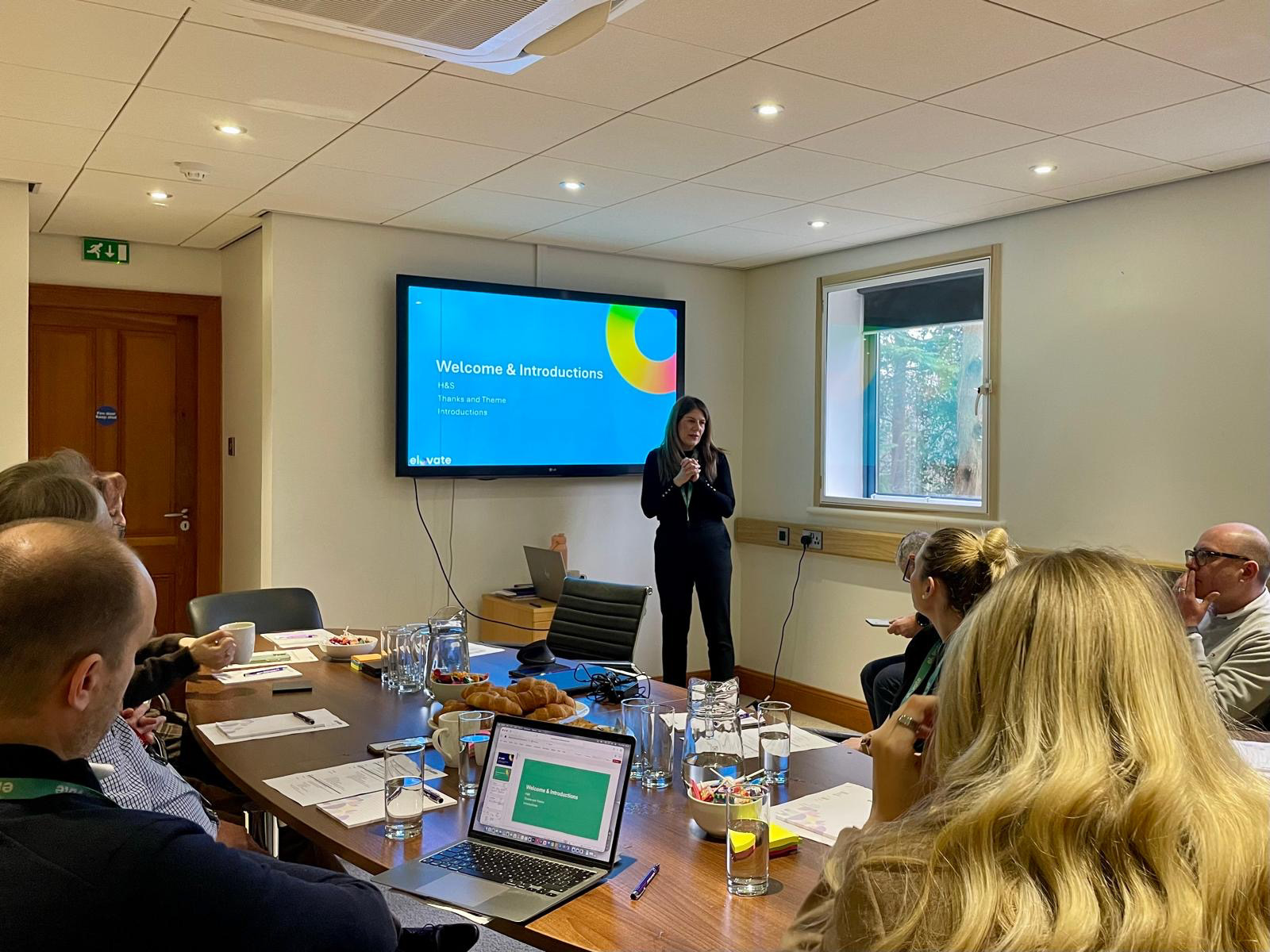
I thrive on challenge, accountability, and ownership, but seeing individuals grow and succeed within the business is what I find most rewarding.
I am also very passionate about creating opportunities for others, particularly supporting women as they progress into leadership roles.
Diversity in leadership teams is so important. Different perspectives lead to better ideas, better debate, and ultimately better outcomes.
I believe in building a team that is stronger than any one individual, including myself. When you do that, the business becomes more resilient and better positioned for success. Removing dependency on a single person, and putting ego aside, allows you to focus more on strategy, growth, and meaningful client engagement.
Another standout for me is the relationship between CEO and CFO. When that partnership works well, it gives the business real momentum and confidence to move forward.
My advice for anyone considering the move to CEO
Do not be afraid to back yourself.
The role does come with pressure and accountability, and it is challenging, but building a strong, collaborative leadership team around you makes all the difference.
Never take your eye off cash, it’s a truth teller around performance for any size of business, if you are not confident in the detail of numbers, develop those skills and find a CFO that you work well with.
Seek out peer support and mentorship. It can really help you shape your thinking and build confidence in your decisions.
Most importantly, trust your instincts. At that level, you often know what is working and what is not, both in the performance of the business and in the individuals you appoint.
The transition to CEO demands the confidence to lead change and create opportunity.